Wetland Impacts & Dredge and Fill
Understanding Wetland Impacts, Permitting & Environmental Compliance
Wetlands and surface waters are among Florida's most important natural resources. Activities involving excavation, grading, filling, road construction, land clearing, drainage modifications, or site development can trigger environmental permitting requirements and regulatory review.
At Gold Coast Land Management, we help landowners, developers, agricultural operators, and project teams evaluate potential wetland impacts early in the planning process to support responsible land use, environmental compliance, and practical project implementation.
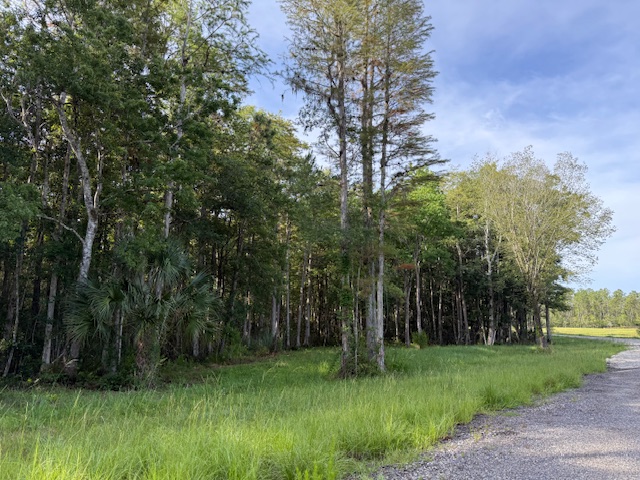
Understanding Wetland Impacts
Professional environmental consulting support for wetlands, surface waters, permitting, and land development projects throughout Florida.
What is Dredge and Fill?
Dredge and fill activities refer to work conducted in wetlands or other surface waters that involves either excavation or the placement of material.
Dredging
Dredging may include:
- Excavation within wetlands or surface waters
- Excavation in uplands that results in the creation of wetlands or surface waters
- Channel modifications or drainage alterations
Filling
Filling may include the placement of:
- Soil
- Sand
- Rock
- Structural fill
- Road base
- Other materials placed within wetlands or surface waters
These activities may occur within:
- Wetlands
- Lakes
- Rivers and streams
- Estuaries and lagoons
- Ditches and connected surface waters
- Natural and man-made water systems
Because wetlands and surface waters are interconnected systems, even relatively small disturbances may trigger permitting requirements or agency review.
Why Are These Activities Regulated?
In Florida, dredge and fill activities have been regulated since the early 1970s under Chapter 403, Florida Statutes, to protect water quality, wetland functions, flood protection, and interconnected aquatic systems.
Wetlands provide important environmental and functional benefits throughout Florida, including:
- Flood attenuation and water storage
- Water quality treatment and filtration
- Shoreline stabilization and erosion control
- Wildlife habitat and biodiversity support
- Nursery habitat for fish and aquatic species
Potential impacts may include:
- Water quality degradation
- Increased flooding potential
- Habitat loss and fragmentation
- Hydrologic alteration
- Erosion and shoreline instability
- Off-site impacts to adjacent wetlands and waterbodies
Once wetlands are altered, restoration can be difficult, expensive, and in some cases impossible to fully replicate.
What is a Wetland?
Florida utilizes a technical definition and formal delineation methodology to standardize how wetlands are identified and regulated.
Wetlands are generally defined as areas that are inundated or saturated by surface water or groundwater for a sufficient duration to support vegetation adapted to saturated soil conditions.
These areas often contain:
- Hydric or alluvial soils
- Indicators of prolonged saturation
- Vegetation adapted to aquatic or anaerobic soil conditions
Florida wetlands may include:
- Swamps
- Marshes
- Bayheads
- Cypress domes and strands
- Sloughs
- Wet prairies
- Riverine wetlands
- Hydric seepage slopes
- Mangrove systems
- Tidal marshes
Formal wetland boundaries are determined using Rule 62-340, Florida Administrative Code (F.A.C.).
Understanding Wetland Impacts
Wetland impacts occur when activities alter the natural structure, hydrology, vegetation, or ecological function of wetlands or surface waters.
Common activities that may result in wetland impacts include:
- Land clearing or grading
- Excavation and fill activities
- Construction of roads, driveways, or access crossings
- Pond construction or drainage modifications
- Utility or infrastructure installation
- Agricultural improvements or site conversion
- Alteration of natural water flow or hydrology
Because wetlands are interconnected systems, disturbances in one area can create impacts beyond the immediate project site, affecting adjacent properties, downstream waterbodies, flood storage capacity, and habitat functions.
Why Wetland Delineation Matters
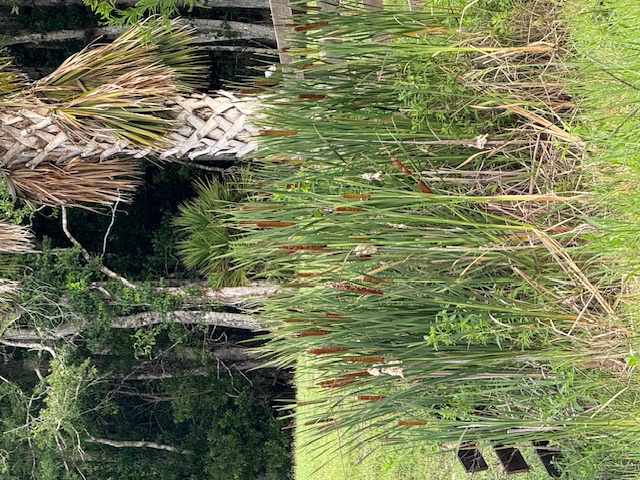
Wetland boundaries and environmental constraints can significantly influence:
- Permitting requirements
- Site planning
- Development feasibility
- Infrastructure placement
- Agricultural improvements
- Stormwater systems
- Access and roadway design
- Long-term land management strategy
- Mitigation obligations
Early identification of wetlands and surface waters can help reduce permitting delays, avoid unnecessary impacts, and support more efficient and defensible project planning.
Wetland Delineation & Environmental Evaluation
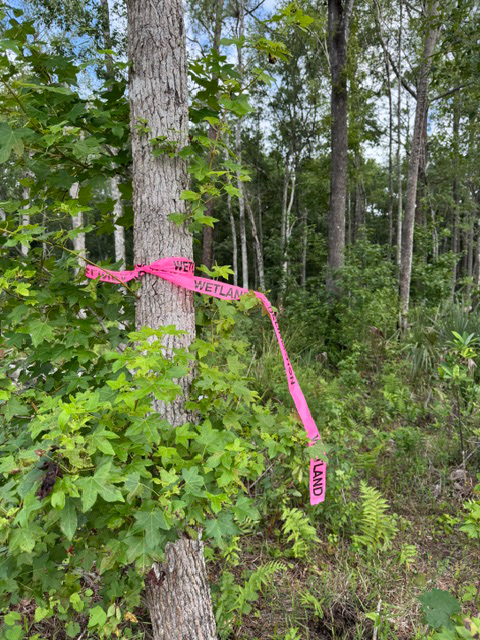
Accurate wetland delineation and environmental evaluation are essential for regulatory compliance, land planning, and long-term project success.
Wetland delineation helps identify the approximate location and extent of wetlands and surface waters based on:
- Vegetation
- Hydrology
- Soil characteristics
- Site conditions
- Applicable regulatory criteria
This information is often critical for:
- Property evaluation
- Development planning
- Agricultural improvements
- Infrastructure placement
- Permitting strategy
- Environmental due diligence
- Long-term land management planning
Gold Coast Land Management assists landowners and project teams by:
- Supporting early environmental evaluations
- Coordinating with environmental consultants and wetland professionals
- Assisting with field access and site logistics
- Integrating delineation information into practical land management and development strategies
- Supporting permitting and environmental planning efforts
Understanding wetland constraints early in the planning process can help reduce project delays, minimize environmental impacts, and support more efficient and defensible project outcomes.
Our experience working alongside environmental professionals, landowners, engineers, and regulatory agencies helps support responsible land use while protecting water quality, wildlife habitat, and long-term ecological function.
Regulatory Considerations
Wetlands in Florida may be regulated at:
- Federal levels
- State levels
- Regional or local levels depending on the property and jurisdiction
Unpermitted wetland impacts can result in:
- Regulatory enforcement actions
- Stop-work orders
- Project delays
- Fines or penalties
- Required restoration or mitigation
- Increased development costs and long-term project complications
In some cases, even historic land uses such as ditching, filling, grazing, or agricultural alterations may require evaluation if wetlands or surface waters are affected.
Regulatory agencies often focus on:
- Avoiding impacts where practical
- Minimizing unavoidable impacts
- Compensating for impacts through mitigation when necessary
Because of these complexities, early planning and environmental evaluation are often critical to successful project development and land management.
Wetland Planning, Coordination & Environmental Support
Practical guidance for wetland impacts, environmental planning, permitting strategy, land use considerations, and long-term project success throughout Florida.
Wetlands and surface waters can significantly influence development, agricultural improvements, infrastructure placement, permitting requirements, and long-term land management decisions. Understanding environmental constraints early in the planning process helps reduce delays, avoid unnecessary impacts, and support more efficient and defensible project outcomes.
Gold Coast Land Management works alongside landowners, developers, engineers, agricultural operators, environmental professionals, and regulatory agencies to help identify practical solutions that balance land use objectives, environmental stewardship, and regulatory compliance.
Questions Landowners Should Consider
When evaluating property or planning improvements, important questions may include:
- Does the property contain wetlands or surface waters?
- Have historic land uses altered wetland conditions or hydrology?
- Could planned activities trigger permitting requirements?
- What environmental constraints may affect development or land use plans?
- What agencies or consultants may need to be involved?
Understanding these factors early can help reduce delays, unexpected costs, and regulatory complications.
Environmental Planning & Land Use Strategy
Wetland impacts often influence the overall feasibility and layout of a project.
Successful planning requires balancing:
- Land use objectives
- Environmental constraints
- Access requirements
- Infrastructure placement
- Regulatory considerations
- Long-term site functionality
Gold Coast Land Management assists clients in evaluating properties and identifying practical strategies to help reduce impacts while supporting project goals.
Our Approach
At Gold Coast Land Management, we understand the regulatory and environmental importance of wetlands and surface waters.
We work with landowners, developers, engineers, and environmental professionals to:
- Evaluate potential impacts early in project planning
- Identify regulated wetlands and surface waters
- Coordinate with regulatory agencies
- Minimize disturbance where practical
- Implement Best Management Practices (BMPs)
- Support permitting, mitigation, and compliance strategies
- Assist with long-term land management considerations
Our approach focuses on balancing land use objectives, environmental stewardship, regulatory compliance, and long-term project functionality.
Planning Matters
Early planning can significantly reduce:
- Regulatory delays
- Unexpected permitting issues
- Project redesign costs
- Environmental impacts
- Long-term compliance risks
Understanding wetland constraints early in the process helps create more efficient and defensible project outcomes.
How GCLM Can Help
Gold Coast Land Management provides practical support for projects involving wetlands, surface waters, environmental constraints, and land use planning.
Our services may include:
- Preliminary property and site evaluations
- Wetland impact planning support
- Environmental and land use strategy
- Coordination with environmental consultants and regulatory agencies
- Vegetation management planning
- Access road and infrastructure planning considerations
- Best Management Practice (BMP) implementation support
- Agricultural and rural land planning considerations
- Mitigation and restoration planning support
- Long-term land stewardship and maintenance strategies
Plan. Coordinate. Implement.
Wetland impacts and dredge and fill activities require thoughtful planning, coordination, and implementation.
Gold Coast Land Management works to help clients navigate environmental considerations while supporting practical land use and project objectives.
We work with landowners, developers, agricultural operators, engineers, and environmental professionals to help support practical, functional, and environmentally responsible project outcomes.
Get Started
Whether you need wetland impact planning support, environmental evaluations, permitting coordination, land use strategy, BMP implementation guidance, or long-term land stewardship assistance, Gold Coast Land Management can help support your project objectives throughout Florida.
Call or Text: (386) 956-8540
Request a Consultation