AGRICULTURAL CLASSIFICATION
Greenbelt Planning, Submittal & Active Management
Active Management Matters At Gold Coast Land Management, we help landowners prepare, submit, and implement property-specific management plans to support Agricultural Classification in Florida. Our approach combines practical land management, regulatory alignment, and ongoing stewardship to help keep your property productive, compliant, and defensible.
What Is Agricultural Classification?
Agricultural Classification, commonly referred to as Greenbelt, allows qualifying properties to be assessed based on bona fide agricultural use rather than highest and best use.
Why Active Management Matters
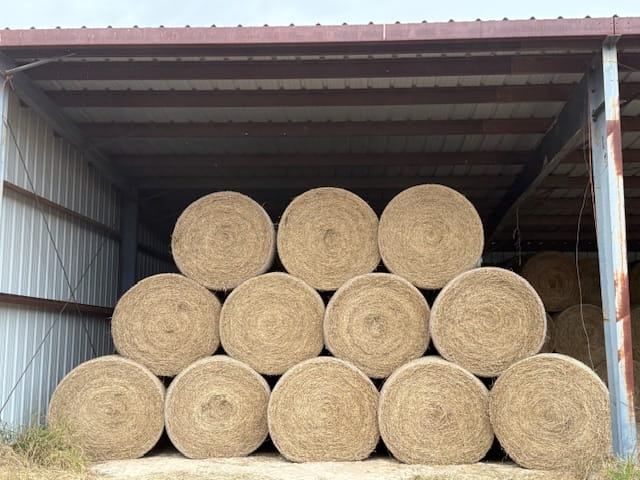
Active management is the foundation of a strong Agricultural Classification application. Whether through cattle operations, silviculture, prescribed fire, vegetation management, hay production, or apiculture, the key is demonstrating consistent and responsible land use.
It is not a single method of management that matters, it is the presence of active, ongoing land stewardship.
What is Agricultural Classification?
Agricultural Classification, commonly referred to as Greenbelt, allows qualifying properties to be assessed based on bona fide agricultural use rather than highest and best use.
Under Section 193.461, Florida Statutes, properties must demonstrate active, ongoing agricultural use as of January 1 of each tax year, with applications typically due March 1.
Classification is determined by the County Property Appraiser and is based on actual land use, not intent or zoning designation.
As outlined by the University of Florida IFAS Extension, properties must reflect good faith, commercial agricultural use, with consideration given to factors such as continuity, management practices, productivity, and overall agricultural activity.
Why Active Management Matters
Active management is the foundation of Agricultural Classification.
Properties must demonstrate:
- Ongoing use
- Consistent management practices
- Alignment with accepted agricultural standards
- Evidence of care, maintenance, and productivity
Whether through:
- Cattle operations
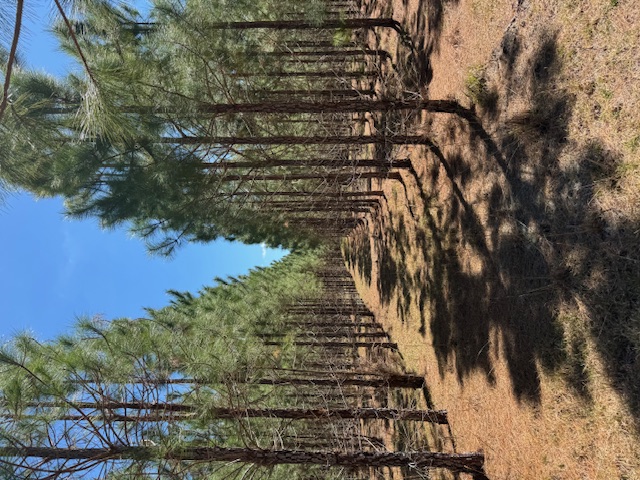
- Silviculture and timber management
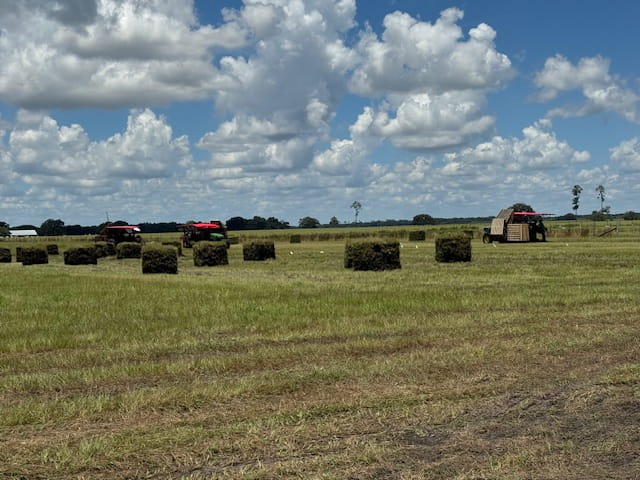
- Hay production
- Prescribed fire
- Vegetation management
- Apiculture
- Specialty agricultural operations
—the key is demonstrating visible, continuous agricultural activity over time.
Florida law recognizes that active agricultural and forestry operations often require ongoing land and water management activities to support productive and sustainable agricultural use.
Pursuant to Section 403.927, Florida Statutes, normal and customary agricultural and forestry activities may include operations such as site preparation, clearing, fencing, contouring, soil preparation, planting, harvesting, access road construction, culvert installation, drainage improvements, implementation of agricultural best management practices, and other activities commonly associated with bona fide agricultural and forestry operations.
Active management not only supports Agricultural Classification defensibility, but also helps maintain long-term property functionality, productivity, accessibility, sustainability, and overall land stewardship objectives.
Without active management, properties risk denial or loss of Agricultural Classification.
Zoning vs. Agricultural Use
Zoning and Agricultural Classification are frequently misunderstood.
- Zoning regulates what may be allowed on a property
- Agricultural Classification is based on what is actually occurring on the land
A property may qualify for Agricultural Classification without agricultural zoning, and conversely, agricultural zoning alone does not guarantee classification.
Florida law also limits the ability of local governments to restrict bona fide agricultural operations when conducted in accordance with accepted best management practices, while still allowing reasonable development standards such as setbacks where applicable.
Understanding this distinction is critical when structuring land use for compliance, long-term defensibility, and operational success.
Common Challenges Landowners Face
Many properties fall short due to planning, management, or documentation issues that can negatively impact Agricultural Classification eligibility and long-term compliance.
Common challenges include:
- Lack of active management
- Weak or incomplete documentation
- Misalignment with county expectations
- Improperly structured agricultural activities
- Poor integration of secondary uses such as agritourism
- Failure to maintain ongoing agricultural activity
Even well-intentioned landowners can lose Agricultural Classification without proper structure, planning, and ongoing follow-through.
County Expectations & Commercial Agricultural Use
Agricultural Classification is evaluated based on the entirety of the agricultural operation, not simply the presence of agricultural activity.
County Property Appraisers may review factors such as:
- Commercial viability
- Continuity of use
- Property maintenance
- Intensity of management
- Supporting documentation
- Sales and operational records
- Physical condition of the property
- Whether the agricultural activity is bona fide and conducted in good faith for commercial purposes
As emphasized within Volusia County's Agricultural Classification Guidelines, agricultural use must be established and active as of the statutory assessment date of January 1, and planning or future intent alone is not considered qualifying use.
While Agricultural Classification throughout Florida is governed by the same underlying state statutes and Department of Revenue standards, individual counties may apply and interpret operational expectations differently based on local practices, parcel characteristics, and Property Appraiser policies.
As a result, acreage thresholds, documentation preferences, management expectations, and qualifying considerations may vary slightly from county to county. Understanding these local nuances is often critical to developing a practical and defensible agricultural strategy.
Different agricultural activities may also have varying operational expectations regarding:
- Acreage
- Stocking ratios
- Infrastructure
- Management intensity
- Documentation requirements
- Lease structures
- Tangible Personal Property considerations
Because every property is different, successful Agricultural Classification often depends on selecting and implementing a land use strategy that is:
- Practical
- Commercially supportable
- Properly documented
- Consistent with county expectations
Gold Coast Land Management assists landowners in navigating these considerations through practical field experience, management planning, and long-term implementation support.
How GCLM Can Help
We prepare professional, property-specific management plans tailored to your land, goals, and county requirements.
Site Evaluation & Planning
We evaluate your property and provide management recommendations based on land characteristics, owner goals, and Agricultural Classification requirements. Our team can also prepare customized management plans designed to support long-term agricultural use.
Documentation & County Coordination
We help organize supporting documentation and coordinate county submittals related to Agricultural Classification applications and compliance requirements, helping streamline the process for landowners.
Implementation & Ongoing Management
Gold Coast Land Management can implement recommended management practices and provide ongoing land management support to help maintain Agricultural Classification and protect the long-term value of your property.
Qualifying Agricultural Uses
Common qualifying uses may include cattle operations and grazing, silviculture and timber management, hay production and pasture management, apiculture, specialty crops, small-scale agriculture, and properly structured wildlife or habitat-based management. The appropriate use depends on the property characteristics, landowner goals, and county requirements.
Right To Farm & Legal Protection
Normal agricultural activities may create temporary impacts such as smoke, noise, dust, or odor. Pursuant to Section 823.14, Florida Statutes, agricultural activities conducted as part of a bona fide agricultural operation and consistent with accepted best management practices may be protected under Florida's Right to Farm Act.
Plan. Submit. Implement. Maintain.
Gold Coast Land Management does more than prepare plans. From planning and documentation to field work and long-term management, we help landowners implement recommended practices designed to support Agricultural Classification while protecting the value and productivity of their property.
Ready To Protect Your Property’s Agricultural Value?
Whether you are applying for Agricultural Classification for the first time or strengthening an existing operation
Gold Coast Land Management provides practical guidance, active management solutions, and long-term support tailored to your property and goals.
Call or Text: (386) 956-8540
Request a Consultation