Active Management Matters
Agricultural Classification (Greenbelt)
Planning • Submittal • Implementation
At Gold Coast Land Management, we help landowners secure, defend, and maintain Agricultural Classification through practical land management, regulatory alignment, and ongoing stewardship.
Agricultural Classification is not achieved through paperwork alone—it requires active, ongoing land use supported by proper documentation and implementation.
Our role is to ensure your property is productive, compliant, and defensible—not just today, but over time.
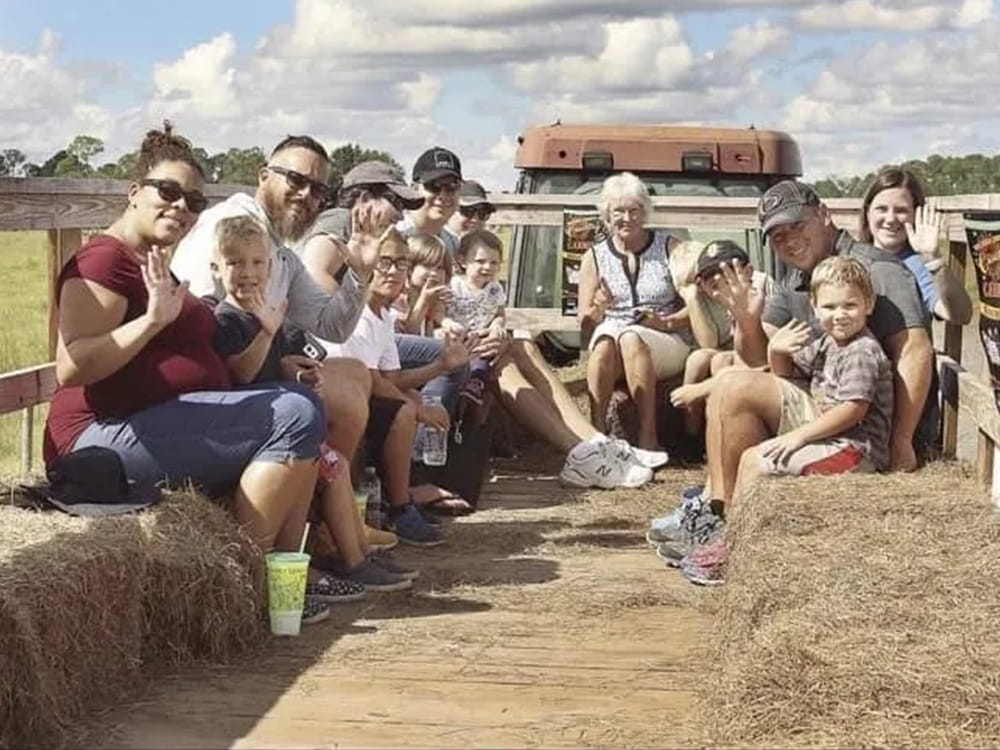
Agritourism Planning & Long-Term Land Use
Agritourism can strengthen agricultural operations by creating additional opportunities for landowners while supporting long-term Agricultural Classification, responsible land stewardship, and diversified property use when properly planned and managed.
Agritourism & Land Use Planning
Supporting Agricultural Operations Through Diversified Land Use
Agritourism provides an opportunity to diversify agricultural operations by allowing the public to engage with working lands through recreational, educational, and event-based activities.
When properly structured, agritourism can:
- Enhance property value
- Generate additional income
- Support long-term land use objectives
- Promote agricultural education and public engagement
Under Florida law, agritourism may be recognized as part of a bona fide agricultural operation when conducted in accordance with accepted best management practices.
Why Agritourism Matters
When integrated correctly, agritourism can:
- Create diversified revenue streams
- Increase land usability and flexibility
- Support Agricultural Classification
- Enhance long-term property value
- Provide certain liability protections under Florida law
Agritourism is most successful when it complements, not replaces, active agricultural production.
The 2025 Florida Statutes
Title XXXV - Agriculture, Horticulture, and Animal Industry.
Chapter 570 - Department of Agriculture and Consumer Services.
570.86 Definitions.—As used in ss. 570.85-570.89, the term:
(1) "Agritourism activity" means any agricultural related activity consistent with a bona fide farm, livestock operation, or ranch or in a working forest which allows members of the general public, for recreational, entertainment, or educational purposes, to view or enjoy activities, including farming, ranching, historical, cultural, civic, ceremonial, training and exhibition, or harvest-your-own activities and attractions. An agritourism activity does not include the construction of new or additional structures or facilities intended primarily to house, shelter, transport, or otherwise accommodate members of the general public. An activity is an agritourism activity regardless of whether the participant paid to participate in the activity.
(2) "Agritourism operator" means a person who is engaged in the business of providing one or more agritourism activities, whether for compensation or not for compensation.
(3) "Farm" means the land, buildings, support facilities, machinery, and other appurtenances used in the production of farm or aquaculture products, including land used to display plants, animals, farm products, or farm equipment to the public.
(4) "Farm operation" has the same meaning as section 823.14.
(5) "Inherent risks of agritourism activity" means those dangers or conditions that are an integral part of an agritourism activity including certain hazards, such as surface and subsurface conditions, natural conditions of land, vegetation, and waters, the behavior of wild or domestic animals, and the ordinary dangers of structures or equipment ordinarily used in farming and ranching operations. The term also includes the potential of a participant to act in a negligent manner that may contribute to the injury of the participant or others, including failing to follow the instructions given by the agritourism operator or failing to exercise reasonable caution while engaging in the agritourism activity.
History. Chapter 2007-244; Chapter 2012-83; Chapter 2013-179; Chapter 2014-150; Chapter 2016-14; Chapter 2021-7.
Note. Former section 570.961.
Experience & Industry Involvement
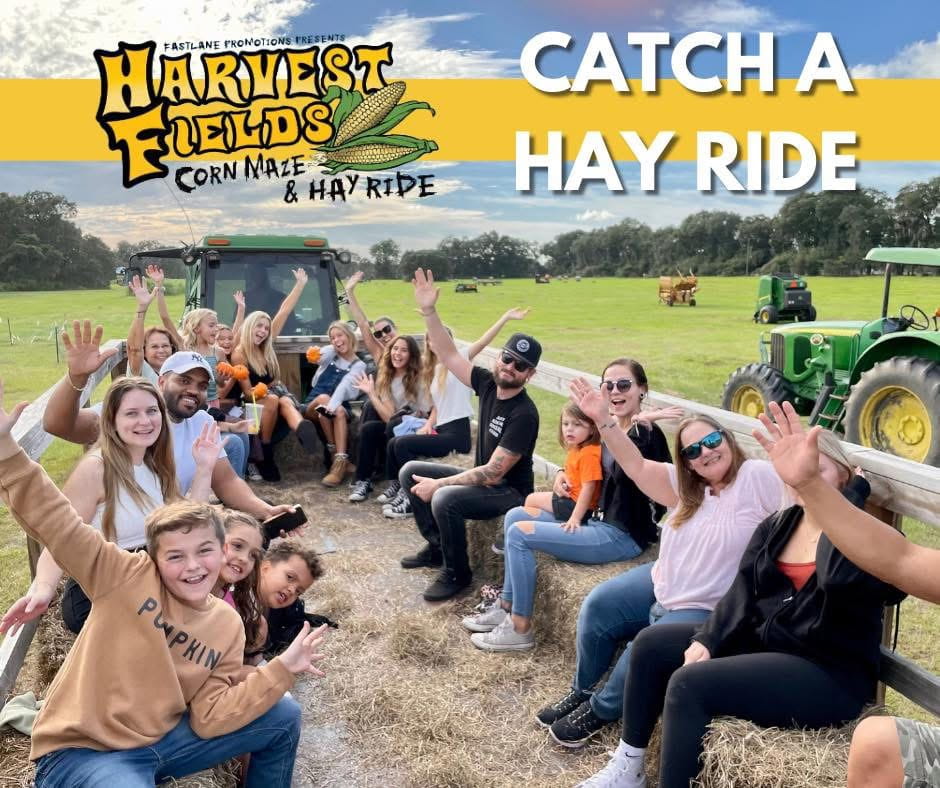
Gold Coast Land Management is an active member of the Florida Agritourism Association and has participated in agritourism operations and events throughout Florida for more than a decade.
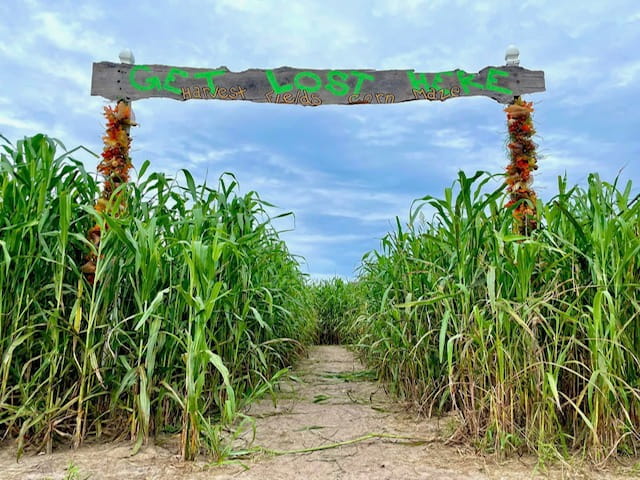
GCLM is a sister company to the annual Harvest Fields Corn Maze & Hayride and Fields of Fright events held each fall in DeLand, Florida. These agritourism operations are conducted on active agricultural property involving hay production, cattle operations, and ongoing agricultural land management activities.
This direct operational involvement provides practical, real-world experience with:
- Agritourism operations and event management
- Agricultural land use integration
- Public interaction and visitor management
- Liability and operational considerations
- Parking, traffic flow, and site logistics
- Agricultural compliance and land use planning
- Long-term land stewardship and active management
Our experience extends beyond planning and permitting support—we understand firsthand the operational, regulatory, and management considerations involved in successfully implementing agritourism activities while maintaining the integrity of a bona fide agricultural operation.
Visit Harvest Fields Corn Maze & Hayride Website
Agritourism Operations, Planning & Land Management
Successful agritourism depends on more than attracting visitors. Long-term success requires thoughtful planning, active agricultural management, regulatory compliance, and land use strategies that support both productive operations and Agricultural Classification.
Agritourism Activities May Include
Agritourism activities can take many forms when conducted as part of a bona fide agricultural operation, including:
- Educational programs and farm tours
- Event venues and farm-based gatherings
- Working farms and ranch operations
- Nurseries and plant production facilities
- Farmers markets and specialty crop production
- Seasonal attractions and crop-based experiences
- Orchards and fruit production operations
- Trail riding and outdoor recreation
- Hunting operations and wildlife management
- Petting farms and animal interaction experiences
- Tree farms and seasonal operations
- U-pick and U-cut operations
- Vineyards, wineries, and distilleries
- Wildlife viewing and birding activities
- Aquaculture and aquatic production systems
Important Considerations
Agritourism must remain secondary to a bona fide agricultural operation.
Because agritourism operations involve significant operational, liability, land use, safety, traffic, insurance, and regulatory considerations, proper planning during the early stages of development is critical to reducing risk, supporting long-term operational success, and avoiding common compliance and land use issues.
Active agricultural operations may produce temporary impacts including smoke, dust, noise, odor, equipment activity, and other conditions commonly associated with normal agricultural and land management practices.
Florida's Right to Farm Act and other agricultural statutes may provide important protections when agritourism is properly integrated into an active agricultural operation and conducted in accordance with accepted agricultural management practices.
Gold Coast Land Management assists landowners in evaluating opportunities, structuring operations appropriately, and integrating agritourism into long-term agricultural land management strategies.
Right to Farm & Legal Protection
Agricultural operations may produce temporary impacts such as noise, dust, odor, smoke, equipment activity, and other conditions commonly associated with active land management.
Florida's Right to Farm Act provides protections for bona fide agricultural operations that are properly established and operated in accordance with accepted agricultural management practices.
- Potential nuisance protections
- Certain regulatory protections
- Agritourism-related protections
- Farm building and structure exemptions
- Support for ongoing agricultural operations
These protections depend on how an agricultural operation is structured, managed, and maintained. Proper planning and professional consultation are important before developing or expanding agritourism activities.
Land Use Evaluation & Property Strategy
Every property is different. Successful Agricultural Classification and long-term land management begin with selecting a strategy that aligns with both the property's characteristics and the owner's long-term goals.
Gold Coast Land Management evaluates factors such as:
- Property characteristics
- Soils and hydrology
- Access and infrastructure
- Existing vegetation and habitat
- County expectations
- Long-term ownership goals
Potential strategies may include cattle operations, silviculture, hay production, apiculture, agritourism integration, wildlife management, and mixed-use agricultural operations.
Our objective is to develop practical, sustainable, well-documented land management strategies that support Agricultural Classification, long-term compliance, and productive land stewardship.
How GCLM Can Help
We provide complete, end-to-end support—from planning and documentation to implementation and long-term management.
Our approach bridges the gap between regulatory requirements, practical land management, Agricultural Classification objectives, and long-term property stewardship.
Evaluate
Every successful agricultural strategy begins with understanding the property and its opportunities.
- Property analysis
- Existing land use review
- Soils, vegetation, and access evaluation
- Agricultural feasibility assessment
Plan
We help develop practical, property-specific strategies that align with ownership goals and agricultural objectives.
- Agricultural Classification planning
- Property-specific management strategies
- Agritourism integration planning
- Supporting documentation preparation
Submit
Proper organization and coordination can significantly improve the application and review process.
- County coordination
- Application preparation
- Documentation organization
- Support during review
Implement
Active management is essential for maintaining Agricultural Classification and long-term land productivity.
- Vegetation management
- Prescribed fire support
- Silviculture and timber operations
- Pasture and hay management
- Site preparation activities
- Infrastructure and access improvements
Maintain
Long-term success depends on continued management, documentation, and operational consistency.
- Continued Agricultural Classification support
- Long-term compliance strategies
- Property productivity improvements
- Ongoing stewardship and maintenance
Documentation & Compliance Support
Agricultural Classification applications often require supporting materials such as:
- Management plans
- Lease agreements
- Sales documentation
- Agricultural registrations
- Supporting photographs
- Operational records
- Maps and supporting exhibits
GCLM assists landowners in organizing and preparing documentation to help support Agricultural Classification applications and ongoing compliance efforts.
Gold Coast Land Management also assists landowners with enrollment in Florida Department of Agriculture and Consumer Services (FDACS) Best Management Practices (BMP) programs and implementation of accepted agricultural and forestry management practices designed to support responsible land stewardship, water quality protection, operational sustainability, and long-term agricultural productivity.
Additional Resources
Additional information regarding Agricultural Classification, agritourism, Florida agricultural operations, and Best Management Practices may be found through the following resources:
Florida Department of Agriculture – Agricultural Best Management Practices
➤
View Resource
Florida Silvicultural Best Management Practices Manual (PDF)
➤
View Resource
UF IFAS Extension – Agricultural Classification (Greenbelt) Overview
➤
View Resource
Florida Right to Farm Act – Section 823.14, Florida Statutes
➤
View Resource
Florida Agritourism Statute – Section 570.86, Florida Statutes
➤
View Resource
Volusia County Agricultural Classification Guidelines
➤
View Resource
Florida Statute 403.927 – Agricultural & Forestry Operations
➤
View Resource
Plan. Implement. Maintain.
Gold Coast Land Management bridges the gap between planning and execution.
We ensure your property is not only properly documented—but actively managed in a way that supports long-term compliance, productivity, functionality, and value.
Agritourism in Practice & Agricultural Resources
Florida's agricultural industry provides valuable guidance, educational resources, and real-world examples that help landowners better understand Agricultural Classification, agritourism, and long-term land stewardship.
Agritourism operations across Florida demonstrate how diversified land use can support agricultural production while creating additional opportunities for landowners and local communities.
Visit Florida Farms
Agritourism operations throughout Florida demonstrate how working agricultural lands can successfully diversify revenue while supporting active farming and ranching activities.
Examples include:
- Farm tours and educational programs
- Seasonal attractions
- U-pick operations
- Working ranch experiences
- Special events and festivals
These operations highlight how agriculture and public engagement can work together when properly planned and managed.
UF IFAS Extension – Greenbelt Law Overview
University of Florida IFAS Extension emphasizes that Agricultural Classification is based on bona fide commercial agricultural use rather than future intentions or undeveloped plans.
- Actual agricultural activity matters
- Commercial use is evaluated
- Management practices are considered
- Documentation is important
- Continuity of use supports defensibility
Active management and operational consistency remain key factors in maintaining Agricultural Classification.
Agritourism Legal Overview
Agritourism has become an increasingly important component of agricultural diversification throughout the United States.
- Supports working farms
- Creates additional revenue opportunities
- Promotes agricultural education
- Encourages rural economic development
- Supports long-term land stewardship
When integrated appropriately, agritourism can strengthen agricultural operations while maintaining the integrity of active land use.
Florida Right to Farm Summary
Florida's Right to Farm Act helps protect qualifying agricultural operations from certain nuisance claims and regulatory pressures as surrounding development occurs.
- Supports agricultural continuity
- Provides operational protections
- Recognizes accepted farming practices
- Supports long-term agricultural viability
- Encourages responsible land management
These protections are most effective when agricultural operations are actively managed and properly maintained.
Florida AG Opinion – Agricultural Zoning & Land Use
Agricultural zoning and Agricultural Classification are separate concepts that often work together but serve different purposes.
- Zoning regulates allowable uses
- Classification evaluates actual use
- Operational activity remains critical
- Local requirements may still apply
- Planning should consider both factors
Understanding the distinction can help landowners avoid common land-use and compliance issues.
Volusia County Agricultural Classification Guidelines
Volusia County's guidance reinforces that Agricultural Classification is based on active agricultural use established as of the statutory assessment date.
- Active management is expected
- Commercial activity is evaluated
- Documentation supports applications
- Property condition matters
- Good-faith agricultural use is important
Understanding local expectations can help landowners develop more practical and defensible agricultural strategies.
Get Started
Agricultural Classification requires more than eligibility—it requires execution.
Whether you are:
- Seeking Agricultural Classification
- Concerned about maintaining it
- Exploring agritourism opportunities
- Looking to improve or restructure land use
- Developing a long-term management strategy
Gold Coast Land Management can help.
Call or Text: (386) 956-8540
Request a Consultation